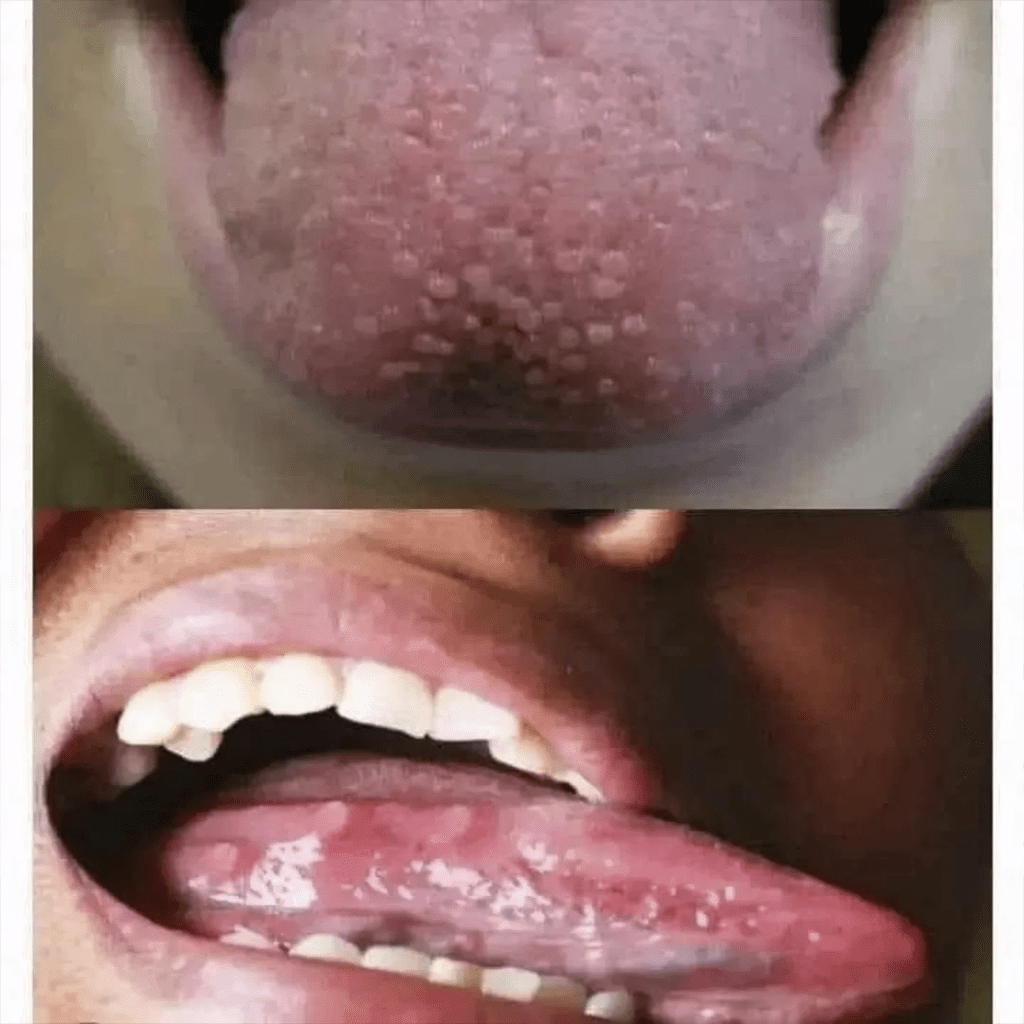
❗️❗️Why is my tongue white? What your body is trying to tell you

It might seem insignificant, but your tongue can reveal much more about your health than you might imagine. We’ve all looked in the mirror at some point and noticed our tongue looks different: paler, with a white coating, or even with an unusual texture. While sometimes this is temporary, other times it can be a sign that your body is trying to tell you something important.
The tongue is a kind of internal mirror. Its color, texture, and moisture reflect how your body is functioning. That’s why, when you notice it turning white or developing a coating that doesn’t easily disappear when brushed, it’s worth paying attention and not ignoring it.
 IMPORTANT: The video related to this story can be found at the end of the article.
So, why does this change happen, and what is your body trying to tell you? Let’s look at the most common causes and what you can do to improve the health of your tongue and, of course, your overall digestive and immune system.
1. Accumulation of bacteria or poor oral hygiene
This is the most common cause. Throughout the day, millions of bacteria live in our mouths, and many of them accumulate on the tongue, especially if it isn’t cleaned properly. That white coating you see can be a mixture of dead cells, bacteria, and food debris.
If it isn’t removed, it can cause bad breath and affect your oral health. A good cleaning routine that includes gently brushing your tongue or using a tongue scraper can make a big difference in just a few days.
2. Dry mouth or dehydration
Saliva is essential for keeping your mouth clean. When saliva production is low, bacteria thrive, leading to the appearance of that whitish coating.
Dehydration, alcohol consumption, smoking, or certain medications can dry out your mouth without you noticing. If you wake up with a very white tongue and a dry feeling, your body is probably asking for more water or a review of your habits.
3. Oral candidiasis or fungal infection
If, in addition to the white color, you notice a thick, cottage cheese-like coating that comes off when scraped, it could be a fungal infection known as oral candidiasis (thrush).
It’s common in people with weakened immune systems, after taking antibiotics, or in those who wear dentures. It can also occur in people with diabetes or compromised immune systems. In this case, it’s important to see a doctor, as antifungal treatment may be necessary.
4. Poor digestion or intestinal problems
Although it may seem strange, the condition of your tongue can reflect what’s happening in your digestive system. A white, coated tongue can be related to slow digestion, excess toxins, or an imbalanced gut flora.
When the intestines aren’t functioning properly, the body tries to eliminate these toxins through other means, and the tongue is one of them. In these cases, improving your diet, increasing your fiber intake, and reducing ultra-processed foods can help you restore balance.
5. Smoking or excessive alcohol consumption
Tobacco and alcohol not only damage the lungs and liver; they also disrupt the balance of oral flora. Both dry out the tongue, change its color, and promote bacterial growth.
If you smoke, you’ll notice that your tongue tends to have a persistent whitish or yellowish tint, in addition to bad breath. Reducing or eliminating these habits is key not only to improving the appearance of your tongue but also to protecting your overall health.
6. Nutritional deficiencies
In some cases, a white tongue can be a sign of deficiency in certain nutrients, especially iron, folic acid, or vitamin B12. These deficiencies can affect cell regeneration in the oral mucosa and lead to a pale coating or a burning sensation.
If you also experience fatigue, weakness, or dizziness, it’s best to consult a doctor to assess your nutritional levels.
7. Liver or kidney diseases
When the liver or kidneys aren’t functioning properly, the body accumulates substances that should be eliminated. This can manifest in the tongue, which becomes whiter, drier, or develops a foul odor.
While not always the primary cause, if a white tongue is accompanied by other symptoms such as persistent fatigue, dark urine, or skin changes, it’s important to see a doctor.
8. Stress and low defenses
Chronic stress affects the entire body, and the tongue is no exception. When you’re under a lot of stress, your immune system weakens, making it easier for bacteria and fungi to thrive in your mouth.
In addition, stress often causes some people to breathe through their mouths or clench their teeth, which contributes to dryness and discoloration of the tongue.
What to do if you have a white tongue?
The first thing to do is not to panic. In most cases, the cause is something as simple as a buildup of bacteria or inadequate oral hygiene. However, if you notice that the problem persists for more than a week or is accompanied by burning, a bad taste, or sores, it’s advisable to visit a dentist or a general practitioner.
Some practical tips that can help you:
- Brush your tongue gently every day with a tongue cleaner or toothbrush.
- Drink enough water throughout the day to keep your mouth hydrated.
- Avoid smoking and limit alcohol consumption.
- Increase your consumption of fresh fruits and vegetables, as they help to clean your mouth naturally.
- Maintain good dental hygiene: brush after every meal and use dental floss regularly.
- If you wear dentures, make sure to clean them properly every night.
The tongue, a silent thermometer of your health
Although it may seem like a minor detail, the appearance of the tongue is one of the most valuable clues the body gives us about our internal state. Observing it carefully can help you detect imbalances early, before they become bigger problems.
Our bodies are always communicating with us; it’s just that we often don’t listen. So the next time you look in the mirror, take a moment to observe your tongue. If it looks white, coated, or different, don’t ignore it. It might be your body’s way of asking you to take better care of it.